Lubricants in the USA
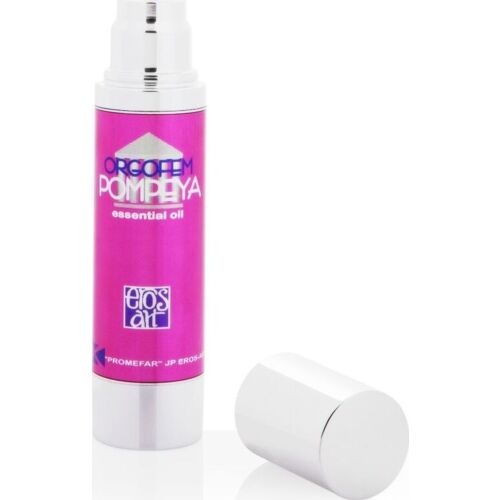
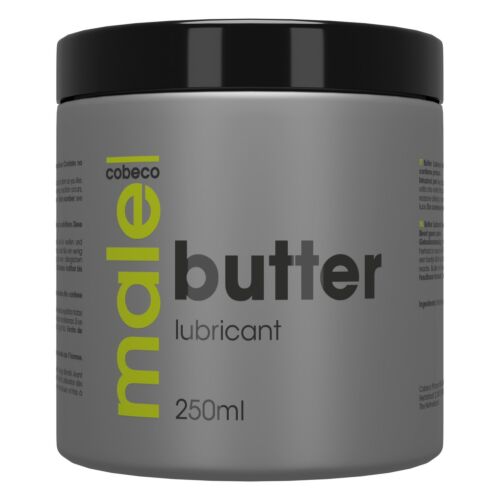
A lubricant (lube) is a gel or liquid that reduces friction during penetration, oral sex or play with toys, solo or with a partner. To choose, look at the base: water-based with silicone toys, silicone if you want it to last longer or to use it in water; with latex condoms, both work.
-
-
-
-
-
-
-
-
-
-
-
-
-
-

-
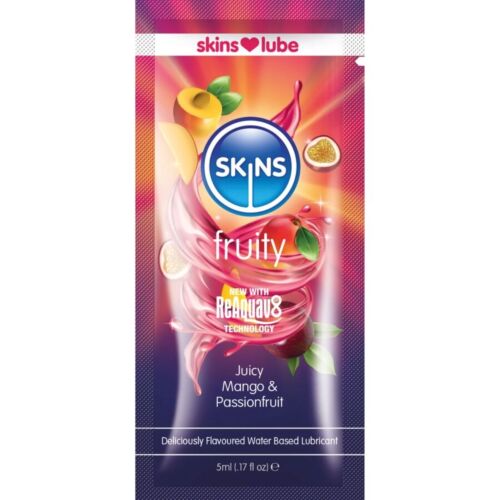
In stock · Choice of flavor and size
-
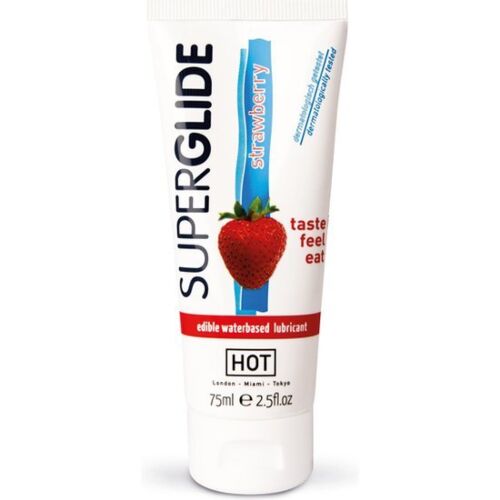
In stock · Choice of flavor
-
-
-
-
-
-
-
-
-
-
-
-
-
-
-
-
-
-
-


What is a lubricant?
A lubricant is a gel or liquid designed to reduce friction during sex or when using toys. You apply it to the area or to the toy, and it makes rubbing and penetration more comfortable. It is very common: in a representative sample of US adults, 65.5% of women had used lubricant at some point and 20% had used it in the last 30 days (Herbenick et al., 2014, J Sex Med).
It makes penetration easier, which matters most in anal sex, and helps sensations feel smoother and more intense. It also lets you play for longer without discomfort and helps toys glide better and feel more comfortable. There are water-based, silicone and natural options.
Types of lubricants
By base there are three main families: water, silicone and hybrids, which mix the two. Within these there are lubricants designed for a specific use.
Hybrid lubricants combine water and silicone: they last longer than a pure water-based one and are easier to clean than a silicone one, so they are a middle ground for general use. If you are going to use them with a toy, check on the product page first that they are compatible with its material.
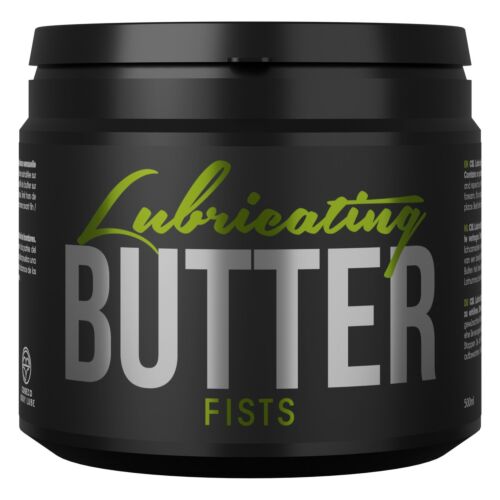
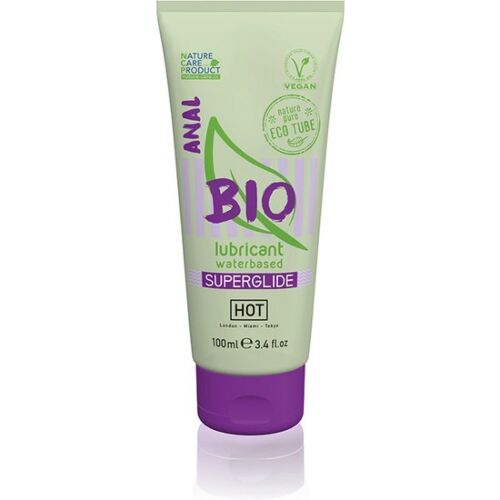
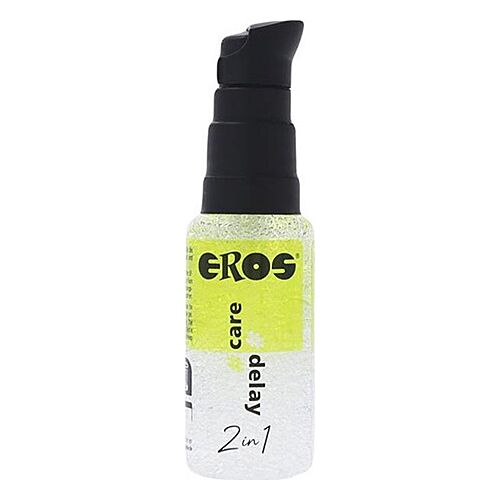
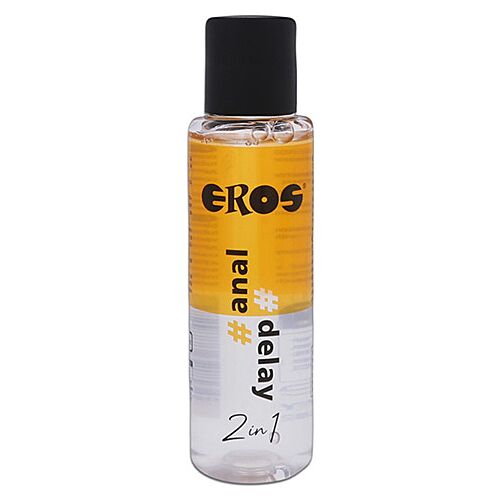
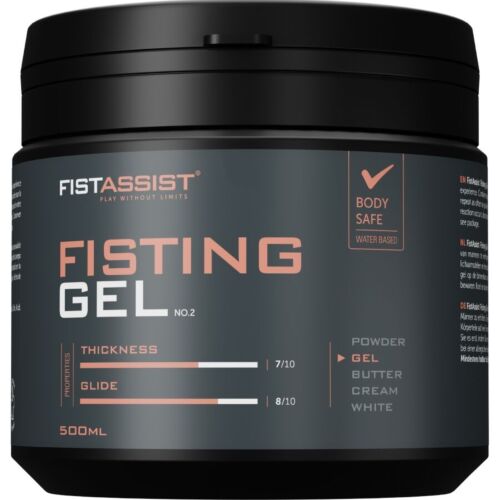
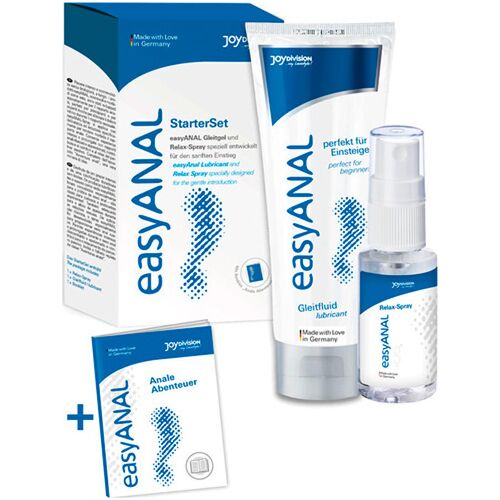
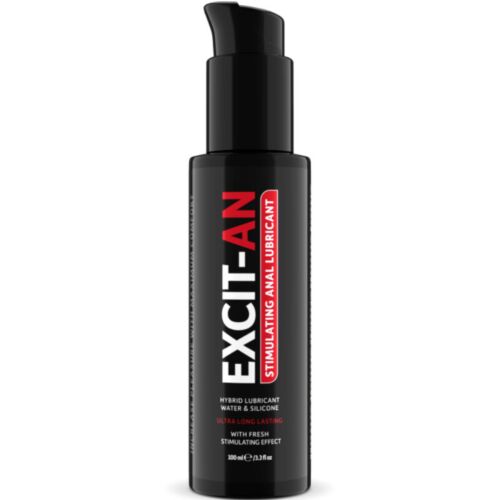
- Anal: anal lubricants are thicker, last longer and some contain a mild relaxant, because the anus does not produce its own lubrication.
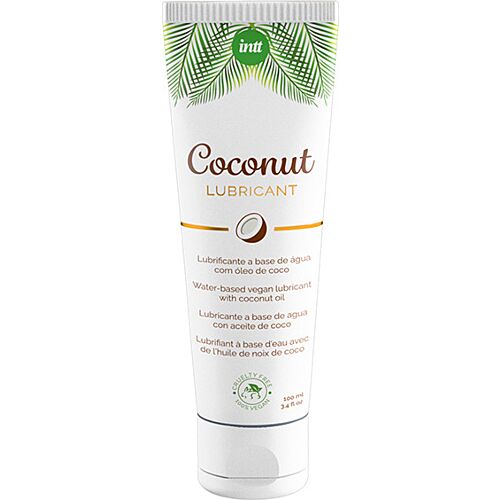
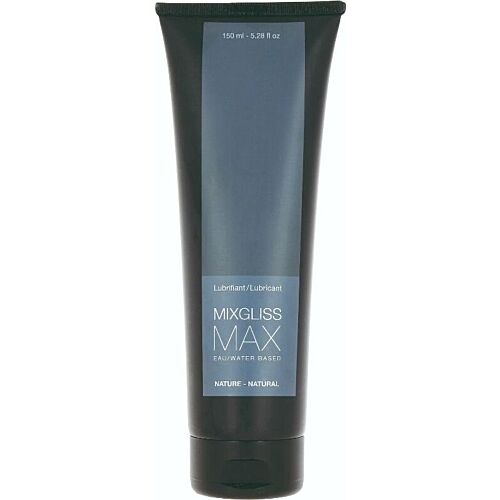
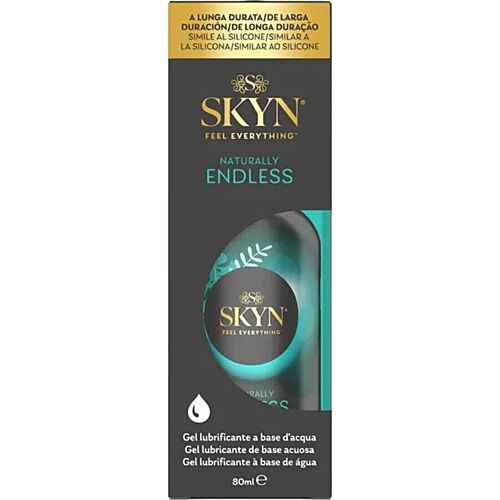
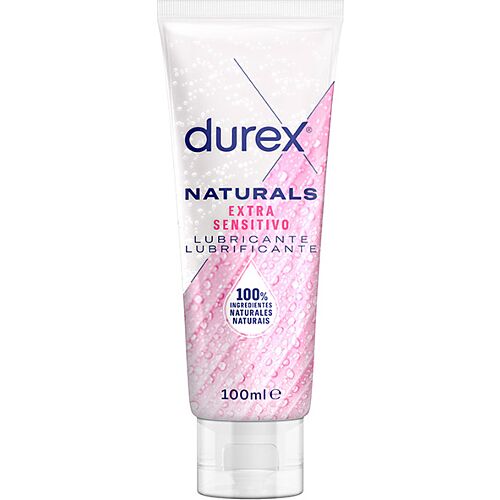
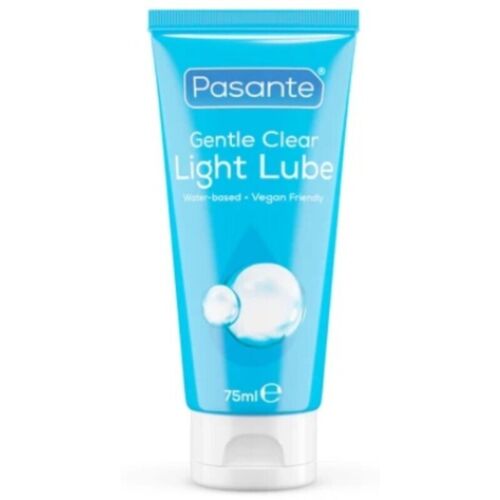
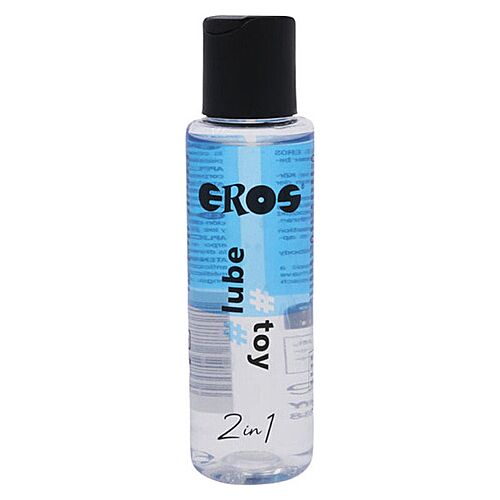
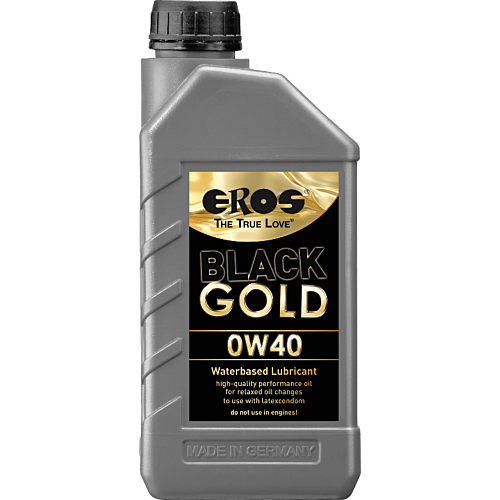
- Water-based: water-based lubricants can be used with condoms and with toys of any material, are easy to clean and do not stain. They dry out sooner, so you sometimes need to reapply. They suit silicone toys, use with condoms and sensitive skin.
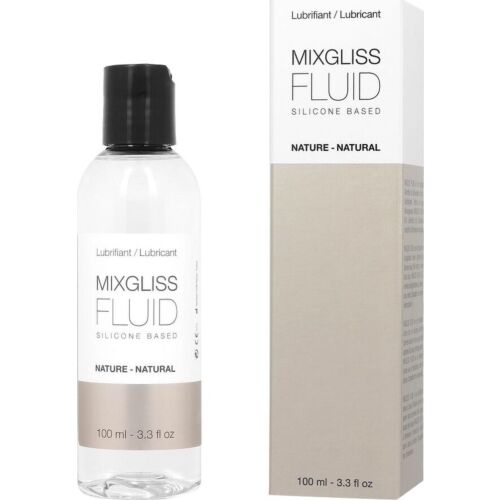
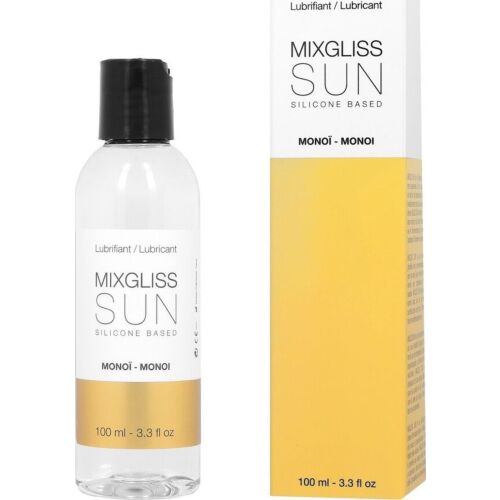
- Silicone-based: silicone-based lubricants last much longer and resist water, which is why they are used for anal sex, in the shower or pool and in long sessions. They can damage silicone toys (use them together only if the toy manufacturer allows it) and are harder to clean.
- Flavoured: flavoured lubricants are designed for oral sex and come in a variety of flavours.
- Single-use: single-use lubricants are sachets or small tubes for a single application, to carry with you or to try one before buying the bottle.
Special lubricants and their uses
Besides the base, some lubricants add an effect or change the formula for a specific use. The product name usually says so.
- Warming: they give a feeling of warmth on contact.
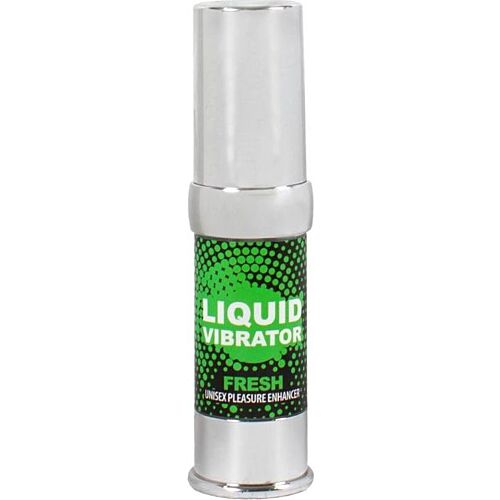
- Cooling: they give a refreshing sensation and a pleasant tingle.
- Edible: they are safe for oral sex and come in a variety of flavours.
- Organic: they contain natural ingredients, with no parabens or glycerine; the exact composition is on the product page.
What the studies say
In a five-week diary study of 2,453 women, water-based and silicone lubricants were associated with more pleasure and sexual satisfaction, and water-based ones with fewer genital symptoms than silicone ones. This is an association, not proof of cause and effect (Herbenick et al., 2011, J Sex Med).
In a randomised trial of 116 postmenopausal women with pain during intercourse, the group that used lubricant gel before sex improved in pain and sexual function, except orgasm, to a degree comparable to vaginal estriol (de Paula et al., 2025, Menopause).
How to choose
- Base: water, silicone or hybrid. It is usually in the product name and, if not, in the ingredients list.
- Use: for anal sex, look for one marked as anal or with a thick texture; for the shower, one that is silicone or marked as water-resistant.
- Composition: if you have sensitive skin, check the product page for fragrances, parabens, glycerine or any warming or cooling effect.
- Effect: neutral, warming, cooling or flavoured. To start with, a neutral one is best.
- Format: single-use for carrying or trying; larger bottles for home. The capacity in ml is in the name and on the product page.
- Duration: the product page usually says whether the glide is long-lasting; silicone ones last longer without needing to reapply.
Lubricants: frequently asked questions
Do I need lubricant if I already have natural lubrication?
Not always, but it can help. Natural lubrication varies with the time of the cycle, stress, medication and age. A systematic review carried out for the WHO concludes that, although the evidence is limited, lubricants appear to be an acceptable option for improving sexual health and wellbeing (Kennedy et al., 2021, Sex Reprod Health Matters). If dryness is persistent, talk to your gynaecologist. In cancer survivors, the four clinical guidelines compared in one study recommend non-hormonal lubricants or moisturisers as the first option for vaginal dryness (Bhinder et al., 2025, Support Care Cancer).
Are lubricants safe with condoms?
Yes, water-based and silicone ones can be used with latex condoms. Never use oils (coconut oil, petroleum jelly) with a latex condom, because they weaken the material: in a laboratory test, sixty seconds of contact with mineral oil reduced its strength by around 90% (Voeller et al., 1989, Contraception). And with lubricant the condom fails less: in a trial of 4,884 acts of intercourse, breakage or slippage were less frequent when lubricant was used (Siegler et al., 2019, EClinicalMedicine).
Which lubricant should I use for anal sex?
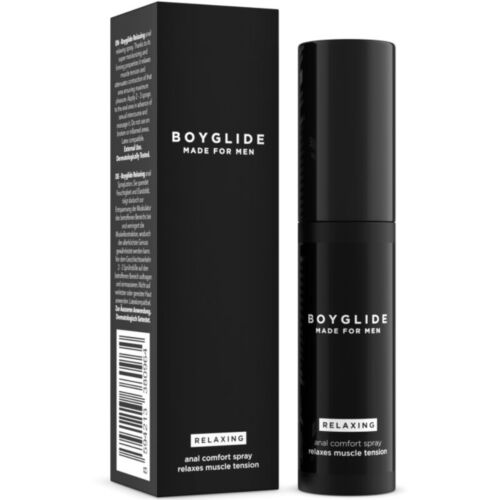
A silicone or hybrid one, because they last longer and the anus does not produce natural lubrication. If you are using a silicone toy, choose a thick water-based one. You can find ones formulated for anal use, with a thicker texture, in anal lubricants. If it has a relaxing effect, still go slowly: if it hurts, stop or add more.
Can lubricants cause infections?
It depends on the formula. In a trial of 174 women, five lubricants, including those formulated to pH and osmolality guidelines, were effective and well tolerated for relieving the discomfort of vaginal dryness (Palacios et al., 2023, J Sex Med). What has been associated with infections is using products that are not lubricants inside the vagina: in a study of 141 women, petroleum jelly was associated with 2.2 times more bacterial vaginosis and oils with more Candida colonisation (Brown et al., 2013, Obstet Gynecol). If you have sensitive skin, choose lubricants without parabens or fragrances.
How much lubricant should I use?
A little to start with: an amount about the size of a coin, and add more if needed. It is better to add gradually than to pour on too much at once. Reapply when you notice the lubrication fading.
Which lubricant should I use for oral sex?
An edible or flavoured one, designed for that use; you can find them in flavoured lubricants. If you are going to use a condom afterwards, check on the product page that it is compatible.
Which lubricant should I use with sex toys?
A water-based one, which can be used with toys of any material. Silicone-based ones can damage the surface of a silicone toy, so use them together only if the toy manufacturer allows it.
Can I use lubricant in the shower?
Yes, preferably a silicone-based one, because it resists water and does not wash away as quickly as a water-based one. Be careful of the floor, which gets slippery.
Browse by brand
Shipping across the United States
Loviux ships across the United States with full tracking and plain packaging with no reference to the contents. Shipping costs and the free-shipping threshold are shown directly in your cart.
You can pay with Visa, Mastercard, PayPal, Apple Pay and Google Pay. Unused products (hygiene products only with the seal intact) are covered by our 30-day returns policy. Our customer service replies in English at info@loviux.com.
Guides
-
-
-