

Latex-Free Condoms in the USA
Latex-free condoms are polyisoprene, polyurethane or AT-10 condoms for people with a latex allergy or sensitivity, or for anyone who wants a different feel. To choose, look at the material: it determines which lubricant you can use, how thin the condom is and how much it stretches.
-

-
-
-
-
-
In stock
Special Price $12.49 Regular Price $12.59 -
-
-
-
-
-
-
-
-
-
In stock · Choice of size




What are latex-free condoms?
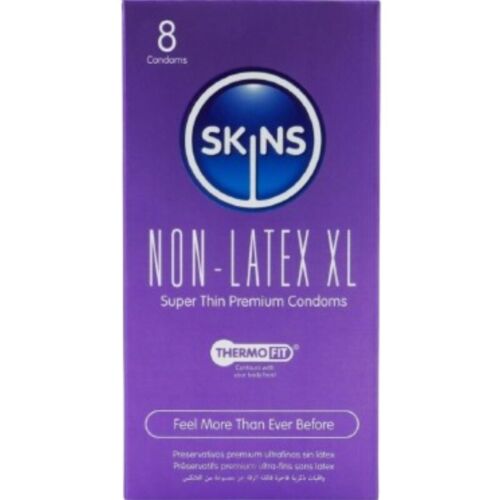
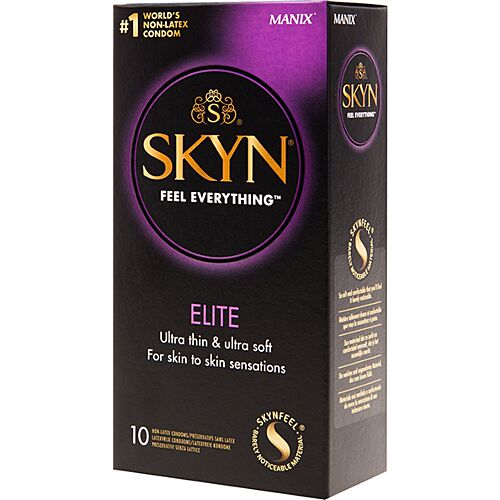
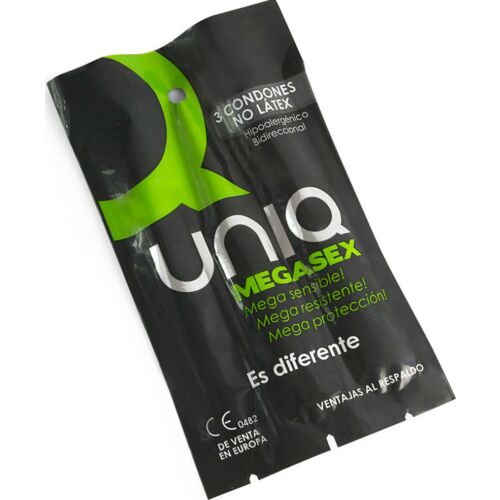
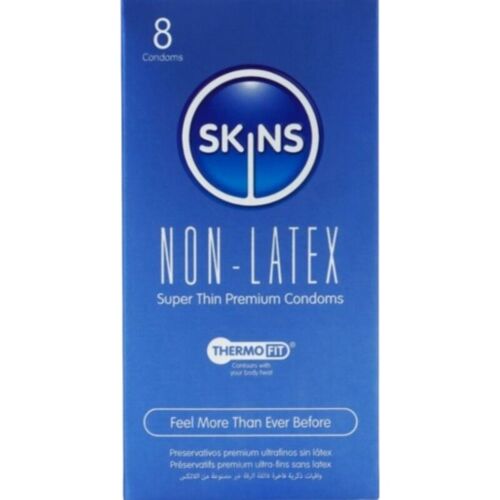
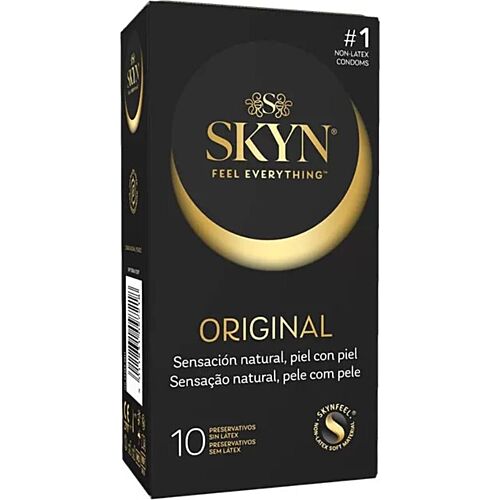
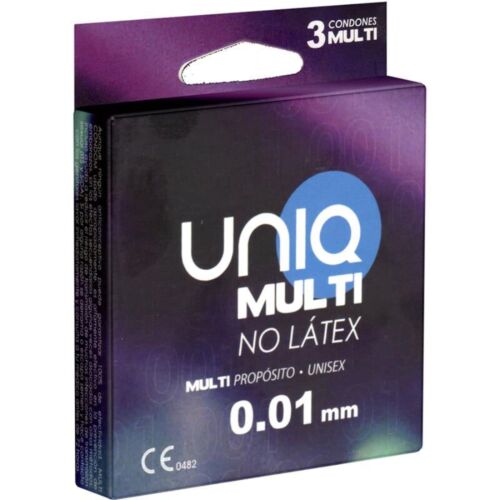
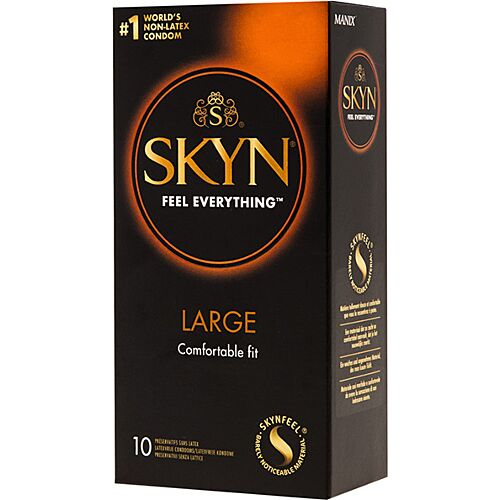
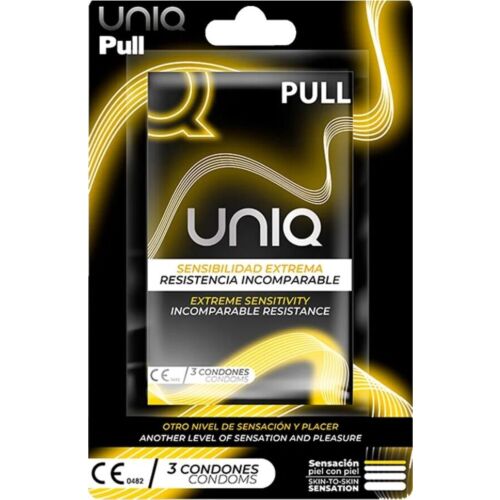
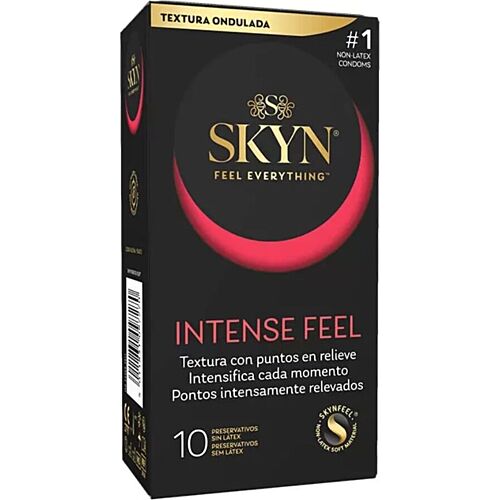
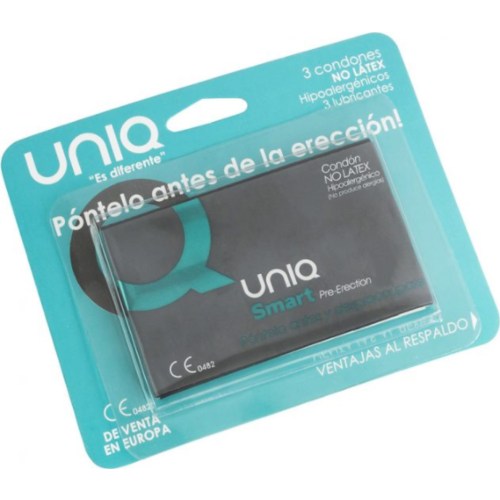
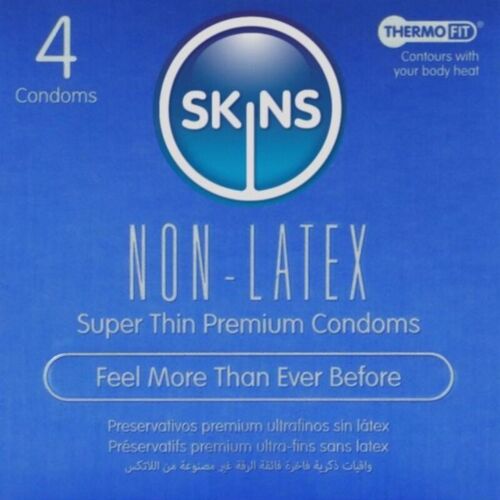
They are condoms made from alternative materials that contain no latex, so they do not cause the allergic reactions associated with latex. Manufacturers also present them as condoms that transmit body heat better. You use them just like any other condom and, when put on correctly, they reduce the risk of pregnancy and sexually transmitted infections, but they are not equivalent to latex condoms in every respect: a Cochrane meta-analysis found more clinical breakage with latex-free condoms, although it considers them an acceptable alternative for people with an allergy (Gallo et al., 2006, Cochrane Database Syst Rev). As for feel, what changes from one to another is the thickness: almost half of the ones here are polyisoprene, the SKYN and Manix Skyn, with a nominal width of 53 mm and a length of 180 mm, and the thinnest are the Uniq ones in synthetic resin, 0.008 to 0.02 mm thick according to the product sheet. If you just want a thin condom and latex is not a problem for you, also have a look at the sensitive condoms.
A review (Jiménez-Carrillo et al., 2022, Rev Alerg Mex) points out that, with latex allergy, what is done today is still to avoid contact. That is what these condoms are for. Brands such as Durex Real Feel and SKYN lead this segment, with models that rival conventional latex condoms in sensitivity.
Types of latex-free condoms: materials compared
Within each material there are ultra-thin, extra-lubricated, ribbed or dotted, large-size models, and boxes with different numbers of condoms. There are also internal condoms, which are inserted inside the vagina, and an AT-10 barrier for oral sex.
- Polyisoprene (SKYN): it is the closest to latex in elasticity and feel, and it has no smell. It cannot be used with oil-based lubricants. It is the most recommended as a direct substitute for latex.
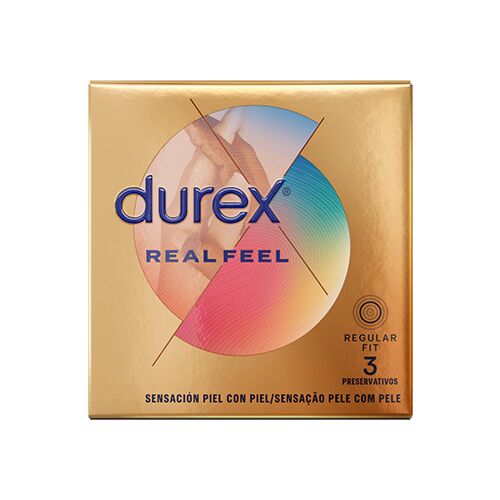
- Polyurethane (Control Látex Free): manufacturers present it as a material thinner than latex, which transmits more heat and gives a natural feel. The model the product sheet describes as polyurethane is the Control Látex Free, ultra-thin, smooth and transparent, with a nominal width of 58 mm. As a material, it allows oil-based lubricants and stretches less than latex, so you need to get the size right more carefully; even so, check the box for which lubricant the manufacturer indicates. The Durex Real Feel, 56 mm wide, are sold as “latex-free”, but their product sheet does not say what material they are: do not assume they are compatible with oil.
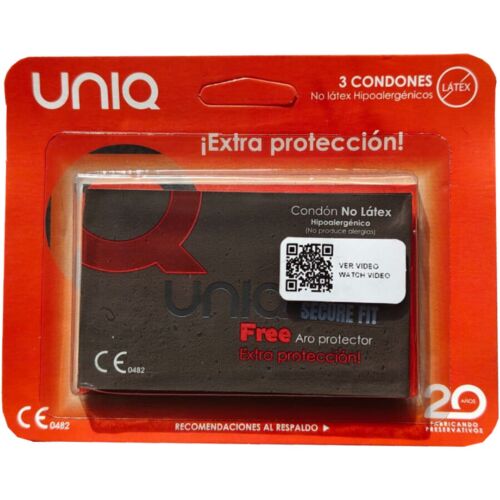
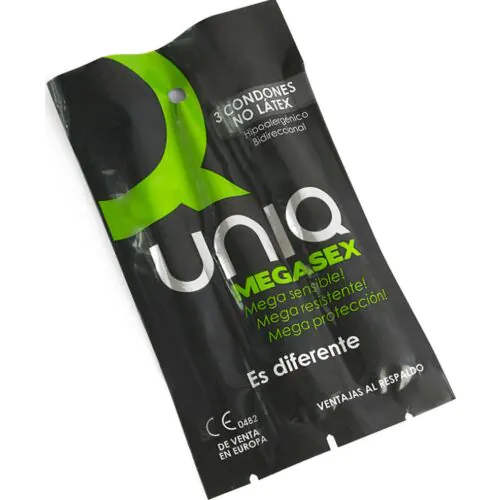
- AT-10 (Pasante Unique): it is a synthetic resin, ultra-thin, and comes in single-dose format.
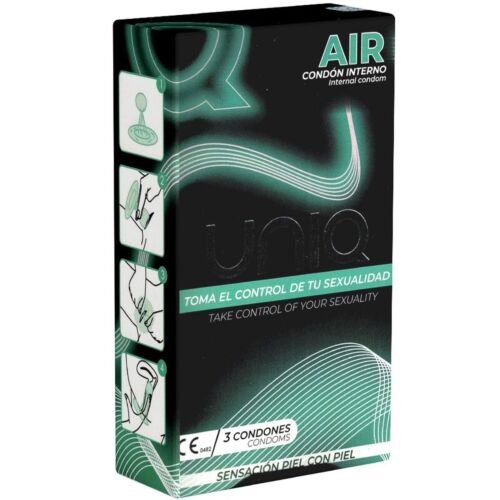
- Internal condoms: there are ones from Uniq and from Pasante. They are inserted inside the vagina instead of onto the penis, and the person using them controls the protection.
What the studies say
A Cochrane meta-analysis (Gallo et al., 2006, Cochrane Database Syst Rev) found more clinical breakage with latex-free condoms than with latex ones. Even so, it concludes that they remain an acceptable alternative for people with an allergy.
In a trial with 901 couples (Steiner et al., 2003, Obstet Gynecol), a polyurethane condom was not shown to be as effective as the latex one at preventing pregnancy: at six months, the pregnancy rate was 9.0% compared with 5.4%.
A more recent trial with 300 couples (Potter et al., 2024, Reprod Health) saw more failures, including breakage and slippage, with the ultra-thin polyurethane condoms than with the latex control, although all had low failure rates. To reduce the risk, get the size right, put the condom on correctly from the start and use a compatible lubricant.
Safety and lubricant
Before buying, check the product sheet for what material each model is made of. “Latex-free” does not tell you which lubricant it takes. With polyisoprene, use water-based lubricant or silicone-based, never oil. With polyurethane, oil does not damage it. Also check the expiry date and the certification mark on the packaging. If the area itches or becomes irritated even with a latex-free condom, the cause may be the lubricant it comes with or the one you use. Try another of the lubricants and, if it keeps happening, talk to your doctor.
How to choose
- Material: polyisoprene if you want the feel closest to latex, polyurethane if you want the thinnest, AT-10 if you are interested in that ultra-thin synthetic resin.
- Compatible lubricant: the product sheet states the material; with polyisoprene, only water-based or silicone.
- Size: check the nominal width; polyurethane stretches less, and for a larger penis there are King Size models.
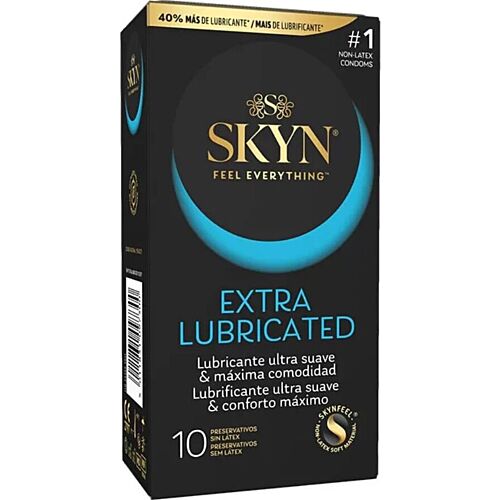
- Thickness and lubrication: choose between ultra-thin, regular or extra-lubricated according to what the product sheet says.
- Texture: there are smooth ones and ones with ribs or dots, such as SKYN Intense Feel.
- Format: condom for the penis, internal condom or barrier for oral sex; and the number of condoms in the box.
Frequently asked questions
Are latex-free condoms as safe as latex ones?
They protect against pregnancy and STIs if used correctly, although studies do not consider them entirely equal. They pass the same CE and ISO 4074 certification tests, but a Cochrane review saw more breakage with latex-free condoms and a trial saw more pregnancies with a polyurethane one. That is why getting the size right matters, and bear in mind that there is less variety of sizes and types than in latex.
How do I know if I need latex-free condoms?
If after using latex condoms you notice itching, redness, swelling or irritation that does not go away, you could have a latex sensitivity. Try SKYN Original, made of polyisoprene: if the symptoms disappear, the problem was the latex. An allergist can confirm it with a skin test.
Which condoms are not made of latex?
Those made of polyisoprene, polyurethane and AT-10, such as SKYN, Durex Real Feel or the ones from Uniq and Pasante. The product sheet of each model shows the material.
What are the advantages and disadvantages of latex-free condoms?
The advantages are that they do not cause the allergic reaction to latex, that manufacturers present them as better heat transmitters and that some allow oil-based lubricant. The disadvantages: there are fewer sizes and types, polyurethane stretches less, and studies do not consider them equal to latex ones: a meta-analysis found more clinical breakage with latex-free condoms (Gallo et al., 2006, Cochrane Database Syst Rev) and, in a trial with 901 couples, a polyurethane one was not shown to be as effective as the latex one at preventing pregnancy (Steiner et al., 2003, Obstet Gynecol).
Are latex-free condoms suitable for people with a latex allergy?
Yes, that is what they are designed for. If you have an allergy, check that the packaging says “latex-free” and also avoid other latex products during sex, such as gloves or some toys.
Can I use oil-based lubricant with a latex-free condom?
It depends on the material. With polyurethane, yes. With polyisoprene, such as SKYN, no: use water-based or silicone lubricant.
Do latex-free condoms smell of rubber?
Polyisoprene ones do not, as they have no smell. If smell matters to you, check the material on the product sheet.
Browse by brand
Shipping across the United States
Loviux ships across the United States with full tracking and plain packaging with no reference to the contents. Shipping costs and the free-shipping threshold are shown directly in your cart.
You can pay with Visa, Mastercard, PayPal, Apple Pay and Google Pay. Unused products (hygiene products only with the seal intact) are covered by our 30-day returns policy. Our customer service replies in English at info@loviux.com.
Guides
-
-
-

